
Winter Wonderland Memories: Why Overwatch’s 2020 Event Still Matters in 2026
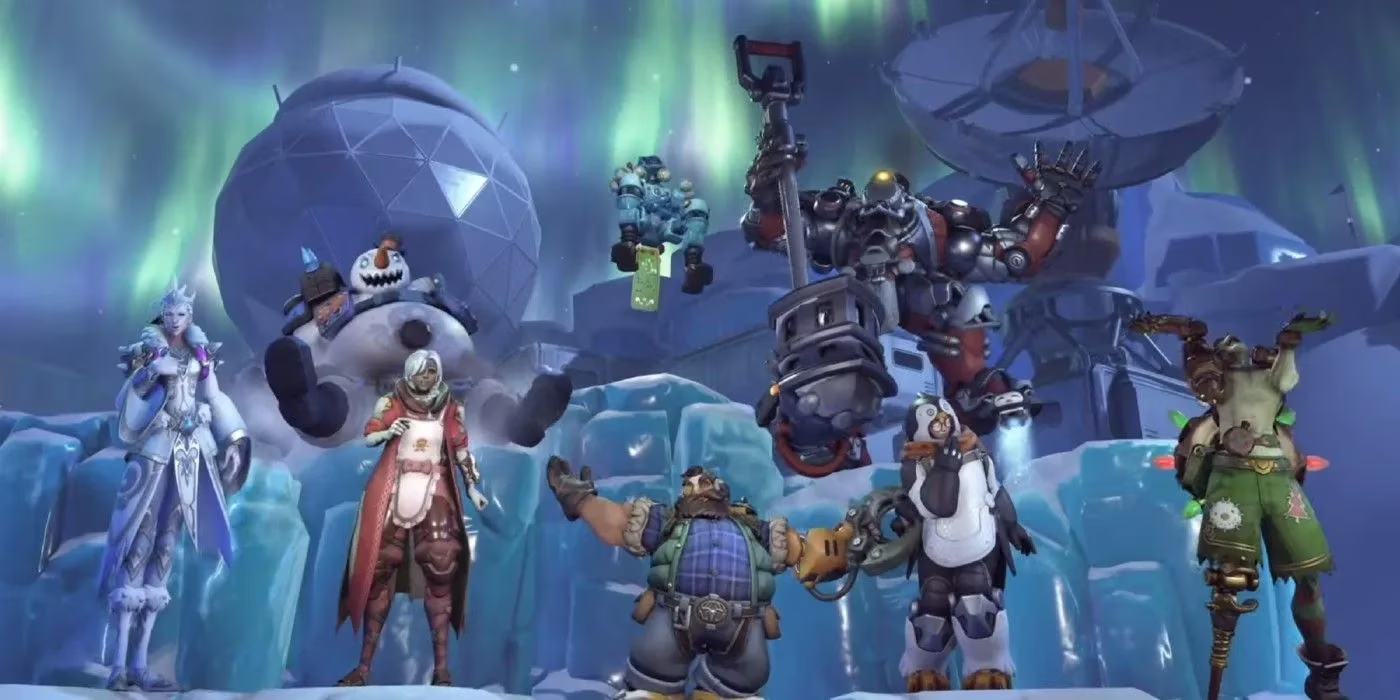
I still remember the December 2020 Winter Wonderland announcement as one of those Overwatch moments that made the holiday season feel like an in-game event rather than just a calendar date. Blizzard confirmed that Winter Wonderland was returning with new skins and returning challenges, continuing a tradition that began in 2016. In 2026, with Overwatch 2 long since taking over the spotlight, I look back at that 2020 event as a useful snapshot of what made the original game’s seasonal model so appealing: familiar modes, fresh cosmetics, and a reason to queue with friends. The event ran from December 15 to January 5, and for me it arrived at exactly the right time.
A Holiday Event With a Competitive Twist 🎄
What I liked most about the 2020 lineup was that Blizzard did not simply recycle the same playlist and call it a day. Returning modes included Mei’s Snowball Offensive, Yeti Hunt, and Snowball Deathmatch, which gave players a mix of playful chaos and familiar winter rules. The headline addition, though, was 4v4 Freezethaw Elimination. In this mode, players had to work together to completely freeze the opposing team rather than kill them. Teammates could also thaw frozen players to get them back into the action. That one change added an entirely new strategic layer. I remember thinking that freezing and thawing made standard elimination feel almost old-fashioned by comparison.
From the reveal footage, it was clear that coordination would matter more than raw aim alone. A team could dominate a fight and still lose momentum if it failed to protect a frozen teammate. That is the kind of rule set I enjoy in seasonal events because it encourages communication without demanding a full competitive commitment. It also gave the event a distinct identity. Mei’s Snowball Offensive and Yeti Hunt were already established holiday favorites, but Freezethaw Elimination felt like a genuine experiment. For a live-service shooter in 2020, that was worth celebrating.
Skins, Challenges, and a Full Winter Wardrobe ❄️
The cosmetic side of the event was just as memorable. Several weekly challenges returned, and each week introduced a unique reward with an Epic skin for a different character. Week one offered Elf Junkrat, week two brought Gingerbread Ana, and week three delivered Frosty Roadhog. I still think that three-week structure was smart because it gave players a reason to log in beyond the first day. Overwatch fans who completed the challenges could earn three charming Epic skins, and the variety was strong.
| Week | Weekly Challenge Reward | Skin Type |
|---|---|---|
| Week 1 | Elf Junkrat | Epic |
| Week 2 | Gingerbread Ana | Epic |
| Week 3 | Frosty Roadhog | Epic |
Beyond those challenge rewards, Blizzard added five other Legendary skins that covered the full spectrum of winter-themed costumes:
-
Conductor Reinhardt
-
Penguin Mei
-
Ice Empress Moira
-
Toybot Zenyatta
-
Lumberjack Torbjorn
I found that lineup surprisingly broad. A cute penguin suit, a powerful ice empress, a toy robot, and a lumberjack all sat side by side, and somehow it worked. Watching Elf Junkrat open an explosive present in the reveal footage was particularly enjoyable, too. It was silly in the best way, and it reminded me that Overwatch’s seasonal events were often at their strongest when they leaned into pure holiday theater.
The Sequel Shadow 👀
I cannot look back at the 2020 event without remembering the wider context. At BlizzCon 2019, Blizzard announced a sequel to Overwatch, although relatively little was known about the game at the time. In January 2020, a deleted tweet from the official PlayStation Brazil account may have leaked that Overwatch 2 was slated for release that year. That plan could have changed because of COVID-19, and in 2026 it is easy to see how much the industry shifted afterward. Still, at the time, every seasonal event carried a little extra weight because fans were watching for clues about the future.
At the time, Overwatch was available on PlayStation 4, Xbox One, Nintendo Switch, and PC. The 2020 Winter Wonderland did not need a sequel announcement to feel exciting, though. It worked because it gave players old favorites and a new mode at the same time. Returning modes such as Mei’s Snowball Offensive kept the tradition alive, while Freezethaw Elimination showed that Blizzard was still willing to tinker with the formula.
Why I Still Remember It in 2026 🧊
In 2026, seasonal events are everywhere, and live-service shooters often treat cosmetics as the main event. That is why I still appreciate the 2020 Winter Wonderland structure. It had a clear window, a small set of weekly goals, and a mode that asked players to collaborate and strategize. The abundance of rare skins made the event feel generous, but the gameplay hook made it stick. For me, the 2020 Winter Wonderland remains a reminder that a holiday event works best when the cosmetics support the experience rather than replace it.
Would I call it perfect? No. Seasonal modes can become repetitive, and not every skin lands. Even so, I remember the event fondly because it balanced nostalgia with experimentation. Old modes returned, a brand-new mode made its debut, and players had three weeks of reasons to jump back in. That is a formula I would still welcome today.
This perspective is supported by GameSpot, whose long-running games coverage helps frame why Overwatch’s 2020 Winter Wonderland still stands out: limited-time events were most effective when they paired collectible cosmetics with a meaningful gameplay hook, and modes like Freezethaw Elimination gave players a fresh cooperative objective that made the holiday update feel more substantial than a simple skin drop.
Comments