
The Priority Pass That Tried to Tame the Queue Monster
I can still hear the queue timer ticking like a tiny clock in my head. Back in the original Overwatch era, I was a damage player with a stubborn streak and a terrible relationship with the matchmaker. Honestly, the queue monster knew my name. I would finish a match, crack my knuckles, queue for DPS, and then watch the estimated wait climb past five minutes, then eight, then ten. That silence after a twelve-minute damage queue? I knew it well.
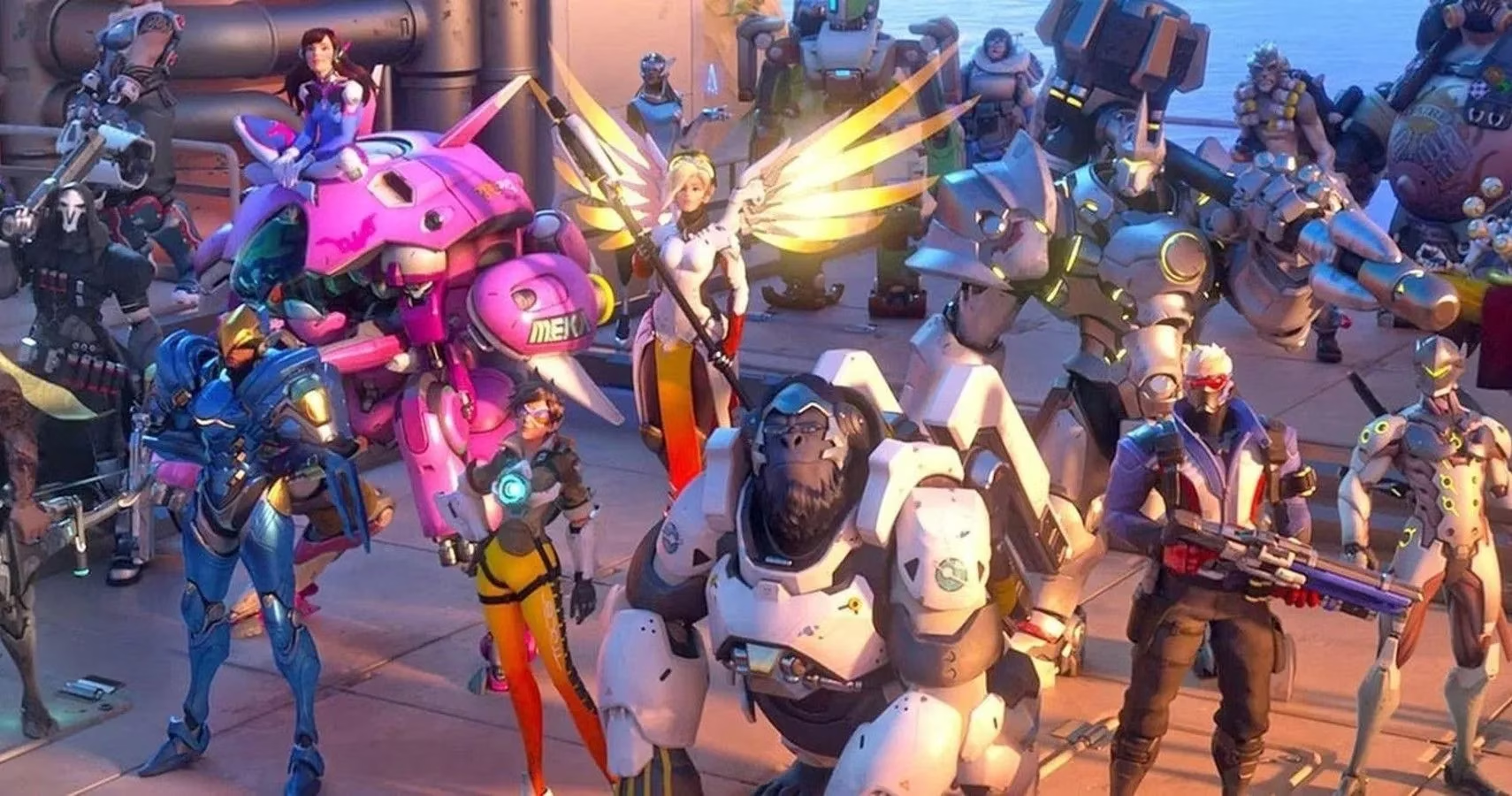
Now, in 2026, I look back at that Developer Update like a fossil from a different meta. Jeff Kaplan, then the game's director, laid out a plan to calm the beast: priority passes and a flex queue. The goal was simple and very human: cut down the long waits that hit specific roles, especially damage. No exact release date was promised. That part felt very Blizzard. The idea, though, was a golden ticket with a cooldown. 🎟️
The flex queue was the clever bit. Instead of locking into one role, you could queue for all roles. The matchmaker would place you into the most needed role among support, tank, and damage. You know the drill: if the lobby was starving for tanks, you became a tank. If support was the missing piece, you became the missing piece. Winning those flex games earned priority passes. Then, when you wanted your precious damage slot, those passes gave you faster queue times in the role of your choice. Players could earn and keep up to 40 passes. Forty. A little savings account for your patience.
I remember thinking that this was either brilliant or a bandage on a broken bone. The matchmaker had become a tired bouncer at a club, checking lists and shaking its head. The priority pass was a VIP wristband. It did not fix the crowd, but it made the line move for some of us. For high competitive levels, where damage queues could feel like a second job, that mattered. The plan was likely to hit the Public Test Region before live servers, which meant we would get to poke at it, break it, and complain about it in patch threads. No kidding.
There was more in that update, too. The Symmetra short story 'Stone by Stone' arrived with themed in-game challenges. The Restoration Challenge ran until November 30, and players could earn an Epic skin by completing the tasks. I loved that era of Overwatch because it mixed lore with rewards in a way that felt like a little festival. You would log in for the skin, stay for the story, and end up in a flex queue wondering why you were suddenly a support main.
The Replay Viewer also got updates aimed at professional observers and content creators. Kaplan did not spell out every change, but he said the team wanted to put a lot of power and functionality into players' hands. As someone who spent too many nights clipping weird plays, I understood the appeal. A replay tool is not just a tool. It is a memory machine.
| Feature | What it did | Why it mattered |
|---|---|---|
| Priority pass | Earned by flex queue wins | Faster queues in a chosen role |
| Flex queue | Queued for all roles | Filled the most needed role |
| Pass cap | Up to 40 | Rewarded patience without infinite stock |
| PTR testing | Likely before live | Gave players a chance to stress-test the idea |
What I remember most:
-
⏳ The timer was a mood, not just a number.
-
🎟️ Priority passes felt like small, earned favors.
-
🧩 Flex queue turned necessity into a strategy.
-
🎬 Replay updates made every match a potential highlight reel.
In 2026, the exact systems have moved on, but the lesson remains. Queue times are not just numbers. They are mood, momentum, and the difference between one more match and logging off. The priority pass was an attempt to make the matchmaker less of a wall and more of a door. It was not magic. It was a nudge. And sometimes, in a game like Overwatch, a nudge is enough to keep you in the fight.
Comments