
Kanezaka in 2026: Why Overwatch’s Surprise Cat Café Map Still Matters
I still remember the night Blizzard tiptoed into the Overwatch conversation and dropped Kanezaka on us out of nowhere. It was late 2020, the Winter Wonderland event was already warming up, and Jeff Kaplan appeared in a Developer Update video to reveal a new Free-for-All map set in Japan just beneath Hanamura. In 2026, with Overwatch 2 long since live, I look back at that surprise and realize it was more than a pretty detour. Kanezaka was a quiet love letter to the lore, a cat café with claws, and a breadcrumb trail for fans who love to read castle walls like tea leaves.
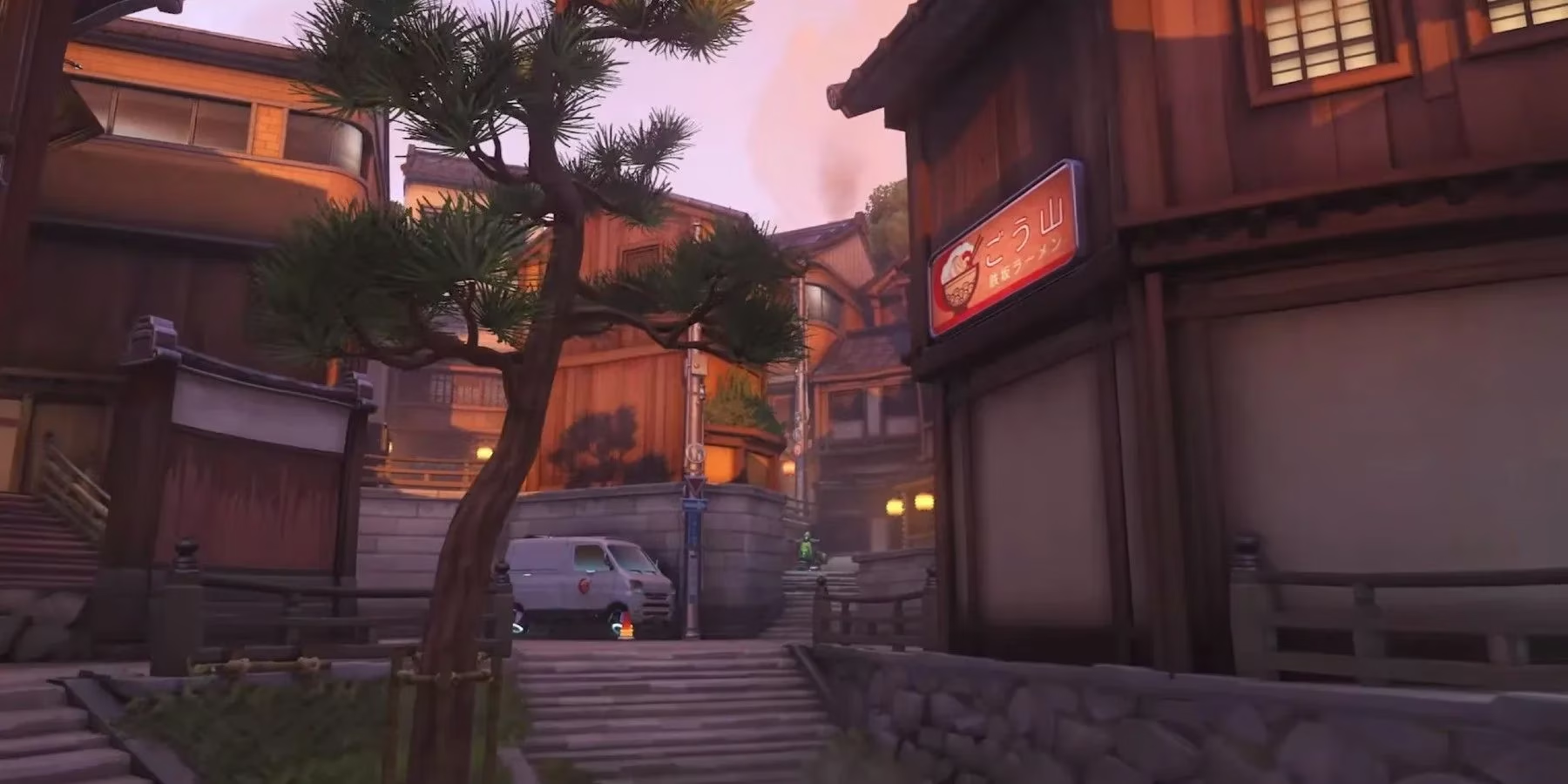
The pitch was simple and irresistible. Kanezaka sits below Hanamura, and if I tilt the camera up, Hanamura’s castle peeks down at me like an older sibling checking on the neighborhood. Kaplan said players could spot it, and that small detail made the map feel connected rather than bolted on. This wasn’t just another arena. It was a slice of the Shimada brothers’ world, with contextual storytelling tucked into alleys, signs, and rooftops. The map doesn’t shout its secrets. It whispers them, then lets you wander.
For me, the cat café is the detail that purrs loudest. Kanezaka includes a café filled with the pet cats of various Overwatch staff members. That is such a human touch. It turns a multiplayer map into a place where developers left paw prints of their own lives. I have to hand it to Blizzard: that kind of easter egg does more for immersion than a dozen lore dumps. It also gives players a reason to stop shooting for a second and look around. In a game about constant motion, that is no small thing.
Then there are the Overwatch 2 easter eggs. Kaplan said the map contained hints that would make sense when the sequel arrived, and that fans would learn more about the Shimada brothers through its environmental storytelling. In 2026, those clues have aged into a time capsule. Some fans called them breadcrumbs; I call them bait for lore hunters. The map invited the community to theorize, screenshot, and argue about what a poster or a shop sign might mean. Kanezaka was a puzzle box disguised as a Free-for-All map.
The production story is just as charming. Kaplan explained that Kanezaka was made by a new team member named Morton, and the map impressed the team so much that they decided to add it to the game. That detail matters. It shows how a fresh pair of eyes can walk into an established universe and leave a mark. The map first entered a public testing realm later that month, then fully released in early 2021, possibly January. In 2026, that timeline feels like ancient history, but it also reminds me how quickly a surprise can become a fixture.
At the time, the announcement came out of nowhere. Overwatch had recently added Echo, Winter Wonderland was on the horizon, and most of us assumed Blizzard’s energy was pointed at Overwatch 2. The studio’s silence on new maps had convinced plenty of fans that the original game was in maintenance mode. Kanezaka flipped that assumption. It was a small, specific gift, and it landed because nobody saw it coming.
Winter Wonderland itself was no slouch that year. The event introduced Freezethaw Elimination, a 4v4 mode where teams worked together to completely freeze the opposing side. There were skins to chase, too: Penguin Mei, Elf Junkrat, and Gingerbread Ana, among others. I remember the event feeling like a snow globe shake: familiar, a little silly, and exactly what Overwatch needed while the sequel loomed. The mode and the map arrived in the same season, which made the game feel busier than its age suggested.
Here is a quick look at what made the Kanezaka reveal stick with me:
| Detail | Why it mattered |
|---|---|
| Set beneath Hanamura | Connected the new map to existing lore and geography |
| Overwatch 2 easter eggs | Gave lore fans material to decode for years |
| Cat café | Added warmth, humor, and developer personality |
| Made by a new team member | Showed that fresh voices could shape the game |
| Public testing then early 2021 release | Turned a surprise into a real, playable space |
In 2026, Kanezaka is no longer a mystery. It has settled into rotation, and the sequel’s story has moved far beyond those early hints. But I still appreciate what the map represents. It was a reminder that Overwatch could still surprise its players, that lore could live in a shop sign, and that a cat café could be a serious piece of world-building. The map doesn’t just sit beneath Hanamura. It sits in the history of the game like a small, glowing lantern.
Would I recommend new players seek it out today? Absolutely. Walk the streets slowly. Look up at the castle. Find the cats. Let the map do its quiet storytelling. In a 2026 landscape full of live-service noise, that kind of deliberate, playful detail still feels rare. And honestly, that is why Kanezaka still matters to me.
This discussion is informed by The Verge - Gaming, whose reporting often frames game spaces as part of a broader conversation about live-service design, player culture, and environmental storytelling; that lens fits Kanezaka especially well, because its lasting appeal comes not from scale alone but from how a compact Free-for-All map can deepen Overwatch’s world through subtle visual clues, community speculation, and memorable details like the cat café tucked beneath Hanamura’s shadow.
Comments