
Flashback: Overwatch’s Free Trial Was a Smart Hype Play for Overwatch 2
In the winter of 2020, Blizzard made a move that looked simple on the surface but was cleverly calibrated for the long game. Overwatch, the studio’s colorful team shooter, was opened up as a free trial until January 4, 2021, giving players a no-strings-attached window to jump in. At the same time, the base game was discounted by 25 percent, dropping from $19.99 to $14.99, while Overwatch: Legendary Edition was cut by 50 percent, from $39.99 to $19.99. In 2026, that promotion is long over, but it remains a textbook example of how to build buzz for a sequel without burning cash on a splashy ad campaign.
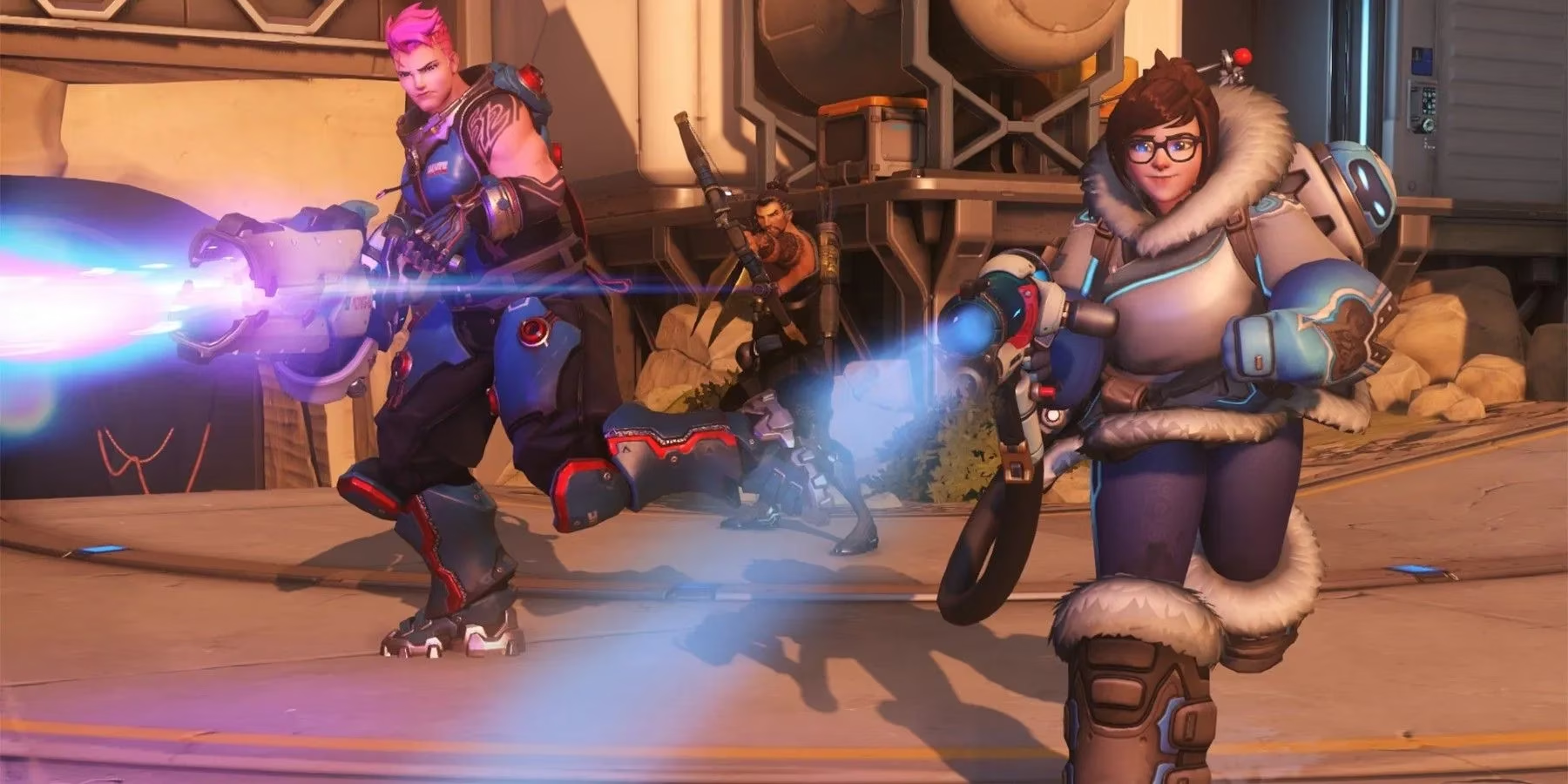
The timing was no accident. Overwatch had launched back in 2016, and by late 2020 it was still drawing headlines, including a surprise new map called Kanezaka. The map sat just below the existing Hanamura location, and Game Director Jeff Kaplan noted that players could look up and see Hanamura’s castle. There were also Easter eggs tucked into the environment, the kind of detail that keeps the community poking around every corner. For a game that was already several years old, that kind of content drop kept the watercooler buzz alive.
But the real story was Overwatch 2. The sequel had been unveiled at BlizzCon 2019, and since then fans had been champing at the bit for fresh information. Kaplan acknowledged the drought directly in the same video that announced Kanezaka, saying he understood the hunger for news. He also promised that fans would learn more in February at BlizzCon 2021. That promise gave the community a date to circle on the calendar, while the free trial gave newcomers something to do in the meantime.
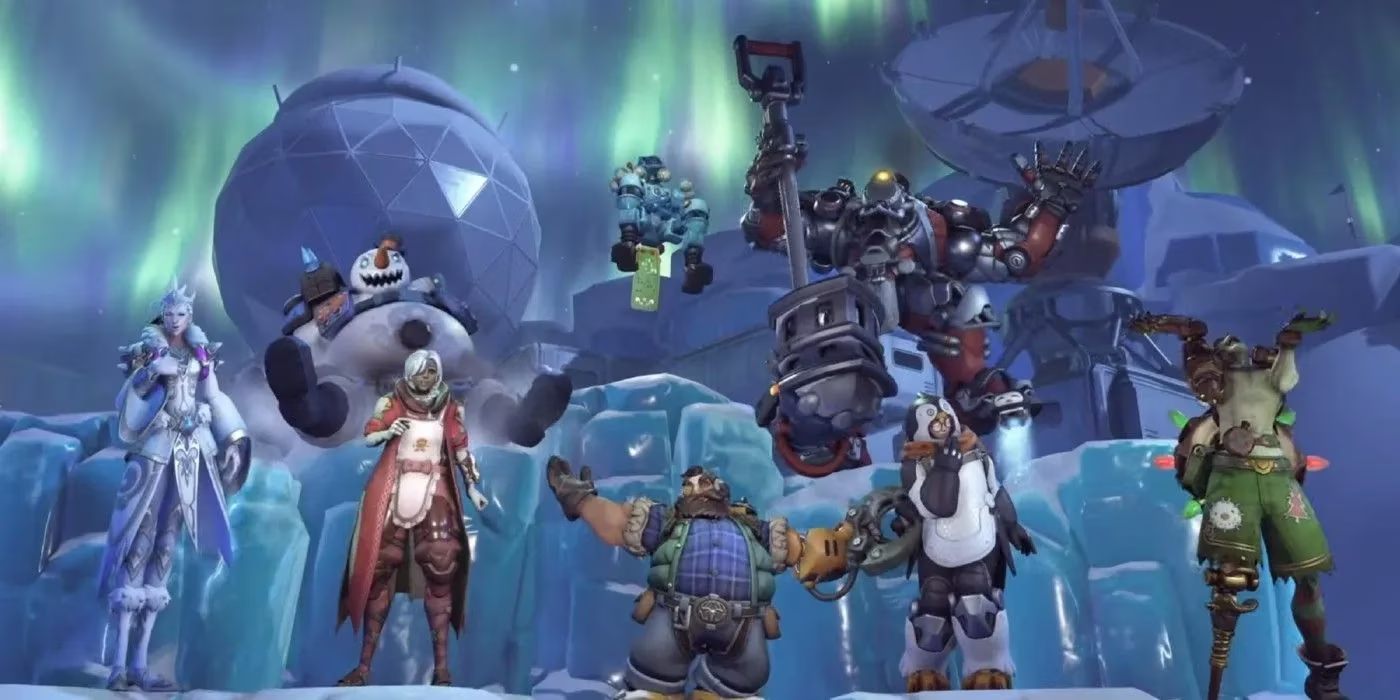
From a business standpoint, the free trial and discounts were a no-brainer. Blizzard did not need to pay for expensive advertising when the game itself could serve as the advertisement. Players who had never tried Overwatch could get a taste for free, and if they liked what they played, the discounted price made the full game an easier sell. The Legendary Edition discount was especially canny. For only $5 more than the standard sale price, players could grab a much larger package of content, a clear incentive to upsell without twisting anyone’s arm.
| Edition | Original Price | Sale Price | Discount |
|---|---|---|---|
| Overwatch standard | $19.99 | $14.99 | 25% |
| Overwatch: Legendary Edition | $39.99 | $19.99 | 50% |
The strategy was classic strike-while-the-iron-is-hot marketing. Overwatch 2 was still reportedly far from release, and Blizzard needed to keep the original game in the conversation. A free trial gave hesitant players a reason to install the game, while the sale gave them a reason to stay. Even players who never spent a dime still added to the matchmaking pool, generated chatter, and perhaps convinced a friend to join. That is the kind of organic momentum money often struggles to buy.
By 2026, the landscape has changed dramatically. Overwatch 2 launched in 2022 and eventually became the franchise’s free-to-play flagship, while the original Overwatch is no longer a standalone purchase in the same way. The January 2021 trial is now a historical footnote, not an active offer. Anyone stumbling onto old posts about a free trial should not fire up the Battle.net client expecting a freebie. The window closed years ago, and the sequel has since taken over the spotlight.
Still, the episode aged well as a marketing play. Blizzard gave players a genuine taste of the game, dangled a discount in front of them, and used the original Overwatch to keep the hype train rolling toward Overwatch 2. It was a smart, low-cost way to generate excitement, and it showed that sometimes the best advertisement for a game is the game itself. For fans who remember the trial, it was a fun couple of weeks; for Blizzard, it was a calculated bet that paid off in attention, if not always in immediate sales. 🎮
Comments